10 July 2011

Phosphorus and food's future

James Elser, Ph.D.
What can we do about phosphorus and food's future?

The 15th element in the periodic table is not something that comes to mind for most people when they reflect on causes of global food crises of the past. Overpopulation, climate change, crop disease, and soil erosion are more likely to deemed as the instigators of disaster scenarios.

However, phosphorus is essential for every living thing on this planet and, according to estimates, the world's phosphorous -- needed for fertilizing plants -- will peak within half a century.

It turns out there's so much biological demand for phosphorus that it's a limiting factor for life on this planet. The critical nature of phosphorus for the future of crops was well emphasized when Franklin Deleanor Roosevelt was president, but lately government leadership has yet to bring more awareness to the problem of dwindling supplies.

James Elser, Ph.D., hopes that will change.

"That's my dream, that President Obama will say the word 'phosphorus.'" he said, jokingly (or maybe not so much).

Elser, who as a child once wished to become a priest, is on a lifelong journey to save humankind from an entirely different, serious calamity: soaring food prices and widespread world hunger because of phosphorus unavailability.

25 June 2011

Can we get any smarter? (A conversation with my boy about neuroscience)

A PET image showing energy consumption in the hungry brain. Credit: Wiki
"Can we get any smarter?" That is the question that piqued the interest of a 14-year-old boy yesterday when he saw it on the cover of the July issue of Scientific American. 

What came next was a reading of Douglas Fox's fascinating "The Limits of Intelligence," some heavy thought in a young teenager's head, and a surprised father who rarely has a conversation with his son about neuroscience.

Plus, that same father is rarely met when he comes home from working all day to a welcome like this, "Hi dad. Do you want to go see a cool movie?"

The movie my boy wanted to see (with me!) was Limitless, a science fiction flick he'd seen before about a man who takes a drug that unlocks his ability to use the "other 80 percent of his brain." We went to see it and, as my son pointed out after the movie, all of what was portrayed was just impossible.

How Diet and Lifestyle Influence Telomere Length

Telomere length has a proportional and linear relationship to omega-3 fatty acids.
With all the attention surrounding telomere length as a biomarker of biological aging, it’s worth pointing out that one nutrient may make a lot of difference: fish-derived omega-3 fatty acids.

The higher the blood levels of fish-derived omega-3 acids in patients with coronary heart disease, the longer the telomeres. This was what was found by researchers recently from University of California, San Francisco.

Omega-3

The study (Farzaneh et al. 2010), published in the January issue of JAMA last year, showed that leukocyte telomere length (LTL) was positively associated with higher blood levels of omega-3 fatty acids (see Figure).

“Omega-3 fatty acids may protect against cellular aging in patients with coronary heart disease,” the authors wrote.

This longitudinal study followed 608 patients with stable coronary artery disease for five years. LTL was measured at baseline and again five years later. The baseline levels of omega-3 fatty acids were then used to compare the rates of telomere attrition over the five-year period.

“Association of omega-3 fatty acids with decelerated telomere attrition may lie in the paradigm of oxidative stress, a powerful driver of telomere shortening,” the authors wrote.

Omega-3 fatty acids have been shown to increase levels of catalase and superoxide dismutase (enzymes that serve important antioxidant roles in the body). The researchers hypothesize that omega-3s may even increase the activity of existing telomerase, the enzyme responsible for the addition of base pairs to DNA during replication.

14 June 2011

Updated clinical vitamin D guidelines

Michael Holick, MD, Ph.D., told me in a phone interview nearly a year ago that vitamin D insufficiency and deficiency was "one of the most common medical conditions" and has implications on the health of bones, the heart, the immune system, and likely every cell in the body.

Dr. Holick added, "If a normal adult isn’t taking at least 1,500 to 2,000 IU from supplement and diet—and you can’t really get it from your diet—then we know you’re vitamin D deficient."

Now, The Endocrine Society has released new clinical practice guidelines intended to help curtail widespread vitamin D deficiency with extra focus on care for populations who are most at risk.

The guidelines follow on the coattails of last November's updated vitamin D recommendations by the Institute of Medicine (IOM), which several experts have condemned as conservative and inadequate. In response, a "Task Force," led by Dr. Holick, reexamined the evidence and compiled new recommendations to provide a more therapeutic emphasis.

The guidelines call for screening populations at risk for vitamin D deficiency and correcting deficiencies with supplementation at levels high enough to maximize effects on calcium, bone and muscle metabolism.

The Task Force recommends maintaining blood concentrations of 25(OH)2D (the active circulating form of vitamin D) consistently above 30 ng/mL. Circulating blood levels below 30 ng/mL are regarded as "insufficient" and below 20 ng/mL as "deficient".

To assist at-risk individuals with meeting blood levels above 30 ng/mL of circulating vitamin D, the Task Force issued new dietary intake recommendations that differ significantly from those given by the IOM:
  • Infants ages 0-1: 400-1,000 IU/day
  • Children ages 1-18: 600-1,000 IU/day
  • Adults ages 18+: 1,500-2,000 IU/day
  • Pregnant or nursing women under 18: 600-1,000 IU/day
  • Pregnant or nursing women 18+: 1,500-2,000 IU/day
  • Obese children and adults: at least 2-3 times the recommendation for their age group
  • Children and adults on anticonvulsants, antifungals and AIDS medications: at least 2-3 times the recommendation for their age group
The Task Force also increased Tolerable Upper Limits for vitamin D to substantially higher levels than what the IOM recommended last fall.

11 June 2011

Depression and telomeres

Reference: Wolkowitz et al. 2011 March.
People who suffer from major depression have a higher risk of age-related illness and earlier mortality (1 &2). Researchers from University of California, San Francisco (UCSF), investigated (1) telomere length in depressed individuals versus matched controls and assessed other biological factors associated with telomere shortening.

Led by Nobel laureate Elizabeth Blackburn, Ph.D., the team of researchers published their findings in the March issue of PLos One. Their hypothesis was that not all depressed subjects would show shortened telomeres equally because of a large variance in depressive episodes over a lifetime. However, they predicted that those who suffered from depression for long durations would have shorter telomeres due to longer exposure to oxidative stress and inflammation induced by psychological stress.

The scientists recruited 18 subjects diagnosed with Major Depressive Disorder (MDD), excluding those with psychosis or bipolar histories, as well as those with Post-Traumatic Stress Disorder to eliminate confounding variables due to interferences with stress hormone regulation. Results from depressed individuals were compared to those of the matched control group.

27 May 2011

Fitness, hunter-gatherer style

Aché man hunting. Credit: Wiki
“So the bottom line is that foragers are often in good shape and they look it. They sprint, jog, climb, carry, jump, etc all day long but are not specialists.”
The quote above is excerpted from a description given by anthropologist Kim Hill (whose work I've previously written about here) of his experience observing the behaviors of the Aché of Paraguay and the Hiwi of Venezuela. The ASU professor, who has been living and studying the tribes for more than 30 years, recently had his work highlighted in a commentary published in Progress in Cardiovascular Diseases.

The article, whose lead author was James O'Keefe, MD, examines the daily physical activity patterns among hunter gatherers and fossil hominins. According to the authors, ancestral hunter-gatherers expended as much as five times more amounts of energy on physical activity than the average modern sedentary adult.

Based on data from Cordain's earlier work and that of colleagues, the article proposes a cross-training exercise regimen, as opposed to specialized trainings of Olympic athletes, intended to mimic the way of life that is required of a typical hunter gatherer. The "prescription for organic fitness" includes 14 essential features, which the authors suggest "appear to be ideal for developing and maintaining fitness and general health while reducing risk of injury."

16 May 2011

How Neandertals Lived, Hunted, and Ate


This Discovery Channel series "Neanderthal" presents a wonderful re-enactment of how Neandertals lived in small groups, how they hunted together, and how they ate.

I was especially taken by how much we know about the way they used tools to butcher meat, scraped animal hides (by holding the hides in their teeth and face as a tool to spread the stress around the skull) for use in making clothing (shown in Part 1).

It's amazing that we know so much about these ancient peoples -- how strong they were, how intelligent, how adaptive, as said in the documentary.

The scientific techniques mentioned that lend to our understanding of Neandertals are studies on fossilized feces, worn-out teeth from scraping animal hides, and bone fractures that reveal injuries that led to illness or death.

08 May 2011

Those daily extra cups of joe not linked to hypertension

An extra shot of espresso can surely help wake you up in the morning, but what does it mean for your blood pressure? It is well known that coffee's caffeine content can raise blood pressure temporarily, especially in people who have hypertension. Could habitually drinking high amounts have long-term effects on blood pressure too?

Java lovers will rejoice in a large study's findings that more cups daily isn't associated with increased risk of hypertension. The study, published in American Journal of Clinical Nutrition on March 30, was a systematic review and meta-analysis that examined six prospective cohort studies.

Diagnosing Darwin's multiple gastrointestinal diseases

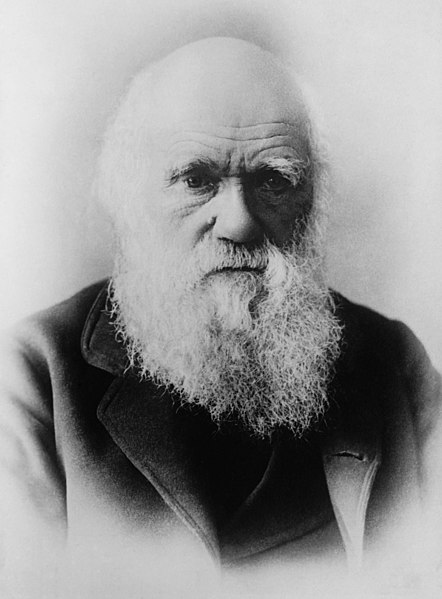
Charles Darwin (Credit: Wikimedia)
Throughout most of Charles Darwin's adult life, the famed author of On the Origin of Species struggled with repeated episodes of severe abdominal pain, nausea and vomiting that could last for hours at a time, often occurring about three hours after breakfast, and thought to have been brought on by times of emotional stress.

England's physicians of the time could not properly diagnose the syndrome of cyclic vomiting, although they tried by suggesting its etiology was anything to do with allergies, gout, and mental overwork. But what of an assessment of Darwin's symptoms by modern physicians of today?

On Friday, May 6, modern physicians gathered to discuss Darwin's lifelong illness at the 18th Historical Clinicopathological Conference sponsored by University of Maryland Health Care System. The conference previously has examined and provided modern medical diagnoses of other prominent historical figures such as Abraham Lincoln and Edgar Allan Poe. The scientists chose Darwin for this year's conference to commemorate the naturalist's 200th birthday.

At the conference, the medical researchers determined that the nature of Darwin's sickness may be explained by multiple gastrointestinal illnesses he might of contracted while traveling to remote areas of South America, the Pacific, Far East, and Africa. A transmission of parasites, for example, may have led to what would become chronic "Chagas disease" and "peptic ulcer disease," further explaining the onset of Darwin's cardiac symptoms and eventual heart disease.

06 May 2011

Getting off the death chair

My stand-up desk
As bipedal apes, our bodies are meant for walking and running, which may have even been a catalyst for eventually bringing about the means of evolving larger brains.

Physical activity is strongly linked to brain performance. The exercise boosts blood flow in the brain and improves our memory and cognitive function. Exercise acts like a trigger for the brain saying, "It's time to be alert, find food, survive." Exercise may even fuel brain power by increasing neurogenesis and also guard against the harmful effects of stress.

Yet now we sit, and sit, and sit. Until the sitting kills us.

This article in the New York Times magazine gives a pretty good description of just what really happens when you sit in that death chair with quotes from Marc Hamilton, an inactivity researcher at the Pennington Biomedical Research Center:
This is your body on chairs: Electrical activity in the muscles drops — “the muscles go as silent as those of a dead horse,” Hamilton says — leading to a cascade of harmful metabolic effects. Your calorie-burning rate immediately plunges to about one per minute, a third of what it would be if you got up and walked. Insulin effectiveness drops within a single day, and the risk of developing Type 2 diabetes rises. So does the risk of being obese. The enzymes responsible for breaking down lipids and triglycerides — for “vacuuming up fat out of the bloodstream,” as Hamilton puts it — plunge, which in turn causes the levels of good (HDL) cholesterol to fall.
Isn't that enough to scare the "sit" out of you? If not, this infographic will do the trick.

Safe weight loss for seniors through diet and exercise

In the United States, the number of obese older adults has reached disturbing heights—now affecting approximately 20 percent of those ages 65 and older—and is only expected to rise as more Baby Boomers become senior citizens.

Weight loss through calories reduction or exercise are generally good for most people as an intervention in obesity, although the appropriateness of these methods has historically been a matter of controversy in older, obese adults.

A major concern with weight loss is the accompanying loss of lean tissue, which can accelerate existing sarcopenia (age-related loss of muscle and strength), and result in reduction of bone mineral density that could worsen frailty. This could lead to greater risk of bone fractures and broken hips. Studies have yet to provide sufficient evidence, one way or another, as to whether or not weight loss provides a true enhancement to quality of life.

03 May 2011

Printing organs for transplants


Advances in medicine are allowing us to live longer than ever, but with our older age comes a greater risk that our organs will fail us. In fact, the shortage of organs available for transplant increases by the day, according to Anthony Atala who spoke at TEDMED.

In his talk, posted in March, Atala presents developments in regenerative medicine including new devices that use the same technology of scanners, fax, copy machines and printers. Instead of using ink in their cartridges, they simply use cells.

On stage, Atala shows us how one of these devices works, actually printing a kidney in as little as seven hours. It's mind bending.

I feel as though I'd like to show this video to every person I know. This is our future medicine. This technology will no doubt keep us living longer than ever. One day, like salamanders, we will be growing our own organs whenever needed -- kidneys, livers, lungs, etc.

Can you even imagine? Eat and drink whatever you like, ruin your liver and kidneys, then have new ones printed in all but a few hours, and you're as good as new?

It's almost sickening.

News that "Nutcracker Man didn't eat nuts" isn't exactly news

Photosimulation montages of "Nutcracker Man's" dental microwear. Reference: Ungar et al. PLoS One 2008. 
Because of a huge jaw and large, flat molars, Paranthrapus boisei was nicknamed Nutcracker Man and thought to have eaten a diet comprised largely of hard nuts and seeds.

But, it turns out, the hominin species who in evolutionary terms has been likened to our great uncle was more likely to have eaten soft fruits, leaves and grass, according to carbon stable isotope data just published in PNAS by Thure Cerling and his team from University of Utah.

See more about Cerling's paper on John Hawks's blog.

A big deal has been made of this new paper and rightly so, but reporters should also note that the findings are a confirmation of what was already supposed based on dental microwear (shown above) almost exactly three years ago.

On 30 April 2008, Peter Ungar and colleagues at University of Arkansas also told us Nutcracker Man didn't eat nuts in a study in PLoS One (and featured by @9brandon in Wired Science here) citing wear and tear on the hominin's teeth that looked nothing like that of what would've been produced by hard foods.

02 May 2011

Michael Ruse on "Origins of Human Evolution"

Michael Ruse

Why were the great Greek philosophers (including Plato and Aristotle) firmly set against the idea of natural origins? Why were they so adamant that natural origins were impossible? According to Michael Ruse, a philosopher of biology at Florida State University, the reason is the problem of "final causes."

Aristotle, for example, "could not see how something like this could come about through blind law," said Ruse in a lecture given at Arizona State University’s Origins Project Science and Culture Festival on April 7, 2011.

This is why, for good scientific reason, said Ruse, they turned their back and rejected the idea of natural origins.

What was the big move? Robert Boyle particularly put his finger on it, said Ruse, we’ve changed the thinking of the world as an organism, to the world as a clock. This was a new metaphor for the world—the world is at some level a machine.

Resveratrol Improves Insulin Sensitivity in Humans

Low-dose supplementation of resveratrol daily may reduce oxidative stress and improve the body's sensitivity to insulin, a study from University of Pecs in Hungary suggests.

In a double-blind, placebo-controlled study published in the British Journal of Nutrition, Hungarian researchers report observations that people with type 2 diabetes who take 5 milligrams of resveratrol twice daily improved their sensitivity to insulin after only our weeks.

"The present study shows for the first time that resveratrol improves insulin sensitivity, which might be due to a resveratrol-induced decrease in oxidative stress that leads to more efficient insulin signaling via the Akt pathway," the authors concluded.

The Akt pathway is a pathway involved in cellular uptake of glucose in response to insulin—it induces glucose transport, particularly into muscle cells. When working properly, insulin stimulates cells to take in glucose from the blood stream, thereby lowering circulating glucose levels and providing carbohydrate for the cells for energy production.

In this study, the researchers randomized 19 Caucasian male participants with type II diabetes into two groups. The intervention group received 5 milligrams of resveratrol, twice daily for four weeks. The control group received a placebo twice daily.

By the fourth week, the intervention group showed significantly reduced oxidative stress and increased levels of phosphroylated Akt, indicating improved insulin sensitivity. Similar studies also documented a glucose-lowering effect of resveratrol in diabetic rodents.

Resveratrol, a naturally occurring compound found in grapes and other foods, is also famed because of evidence as an anti-aging bioactive and an aid in weight management.

Reference

Brasnyo P, Molnar GA, Mohas M et al. Resveratrol improves insulin sensitivity, reduces oxidative stress and activates the Akt pathway in type 2 diabetic patients. Br J Nutr 2011;1-7.

29 April 2011

Calcium: U.S. adults still not getting enough

A new study suggests most U.S. adults continue to fail to get enough of the mineral through diet and supplementation to meet recommended levels.

University of Connecticut and Yale University researchers examined data from National Health and Nutrition Examination Survey collected from 9,475 adults between 2003 and 2006. They found that, although dietary calcium intake was reported highest in older age groups, the amounts remained insufficient to meet adequate intake standards for age groups 50 years and older.

These inadequate intakes come despite the fact that more than half of individuals ages 19 and older were taking a calcium supplement, according to the authors. For men, supplementation increased from 34 percent in the 19 – 30 age group to 54 percent in the 81 and older age group. The percentage of women taking supplements rose from 42 percent to 64 percent across the same range of age groups.

"Adequate lifelong calcium intake is essential to optimizing bone health," remind the study authors, who published their findings in the May 2011 issue of Journal of American Dietetic Association. They also recommend "new approaches to increasing the frequency and level of calcium supplement use to enhance calcium density in diets."

Calcium is the most abundant mineral in the body, primarily found in the bones and teeth. As bones develop, calcium, along with other minerals, crystallizes on the collagen matrix of the bone, making it denser and giving it strength and rigidity. The body loses calcium continuously, and if this loss is not replaced through diet, the body will remove calcium from the bones to perform necessary functions such as regulation of muscle contraction. This removal causes bones to become soft and brittle, making them prone to fractures.

Adequate calcium intake is necessary for strong and healthy bones. The current recommended intake of calcium is between 1,000 mg and 1,300 mg per day. Good sources (more than 300 mg per serving) of calcium include dairy products such as low-fat milk, cheese, and yogurt. Dark green vegetables such as broccoli, kale, and spinach can also add about 90 milligrams of this mineral to daily intake. In addition, calcium-fortified foods (orange juice and breakfast cereals) and dietary supplements can also help fill gaps.
Other important factors in optimizing bone health include engaging in weight-bearing exercise and obtaining recommended amounts of vitamins D and K2 daily.

Reference: Mangano KM, Walsh SJ, Insogna KL, Kenny AM, Kerstetter JE. Calcium Intake in the United States from Dietary and Supplemental Sources across Adult Age Groups: New Estimates from the National Health and Nutrition Examination Survey 2003-2006. J Am Diet Assoc 2011;111:687-95.

Thoughts:

Time and time again, studies have shown that calcium when combined with vitamin D are effective in increasing bone density. However, there's been a lot of back and forth in the calcium world around the topic of supplements, particularly their efficacy and safety. A critical piece lacking in the conversation is of absorption since calcium is one mineral that depends on a few factors -- vitamin D, doses that oversaturate absorption, too much absorbed at once.

The best approach for obtaining calcium is perhaps to consume it as we would have back in the time of our hunter-gatherers ancestors before the agricultural revolution and pastoralism, which is by getting a little here and a little there when we only obtained it from the leaves of plants. That's not to say that we should only get it from plant leaves, but that we should get it in smaller amounts in sustained fashion over the course of a day.

27 April 2011

Wake up, Neo-evolution


What would you change about your own naturally evolved, naturally flawed body? Would you choose genetics to avoid diseases like Alzheimer's, diabetes, and cancer? Would you enhance your brain to increase memory and to boost creativity? Would you choose more fast-twitch muscle fibers to run faster or longer? Would you live longer?

These are the questions that Harvey Fineberg, president of the Institute of Medicine, discusses in this new TED talk given in March that was posted only this month. Fineberg says that a new era of neo-evolution -- in which we, as humans, could guide the selection of traits that would define the course of humanity -- is upon us, and he called it "exciting," but "frightening."

I want to answer all of his questions with a "Yes, sign me up!" Who is insane enough to reject a world with an absence of disease, of aging, of dying and death?

Apparently, there are quite a few people. Hava Tirosh-Samuelson, professor of history at Arizona State University, is one of them. Earlier this month, at ASU's Origins Project Science and Culture Festival Tirosh-Samuelson was speaking about a completely different topic when she suddenly surprised us with a few critical words of the "so-called trans-humanist movement."

In a nutshell, her argument is that we still haven't a clue of what humanity is to begin with, so reason suggests against trying to define what it should be in the future. Naturally, after her talk, I decided to ask Tirosh-Samuelson a few questions about her views.

22 April 2011

Health at Telomere's Length

A health checkup could soon incorporate a telomere measurement to estimate a person's biological age as a superior indicator of age-related degeneration and vulnerability to disease than chronological age, reports Mitch Leslie in an article entitled, "Are Telomere Tests Ready for Prime Time," published in Science magazine today.

The article reports that two companies have announced plans to start performing tests for the general public this year: Life Length of Madrid has already began offering the tests to patients and Telome Health, of Menlo Park, Calif., will begin to make them available to clinicians sometime later this year.

Already, medical researchers have employed telomere measurement for predicting illness and tailoring treatments to save lives, yet the article reports that skepticism exists about how effective telomere tests will be in predicting disease or determining lifespan in a clinical setting.

"By curtailing self-renewal, worn-down telomeres might promote the senescence of our bodies—although how much has been controversial," writes Leslie.

On one side of the issue is Telome Health co-founder Elizabeth H. Blackburn, a cell biologist at University of California, San Francisco (UCSF), who is quoted as saying "Telomeres are an integrative indicator of health."

Carol W. Greider, a former graduate student in Blackburn's lab and a molecular biologist at Johns Hopkins University School of Medicine in Baltimore, Maryland, disagrees saying, “Do I think it’s useful to have a bunch of companies offering to measure telomere length so people can find out how old they are? No.”

In 2009, Blackburn and Greider were awarded the Nobel Prize in Physiology or Medicine, along with Jack W. Szostack, for the discovery of how chromosomes are protected by telomeres and the enzyme telomerase.

Telomeres are comprised of non-coding, repetitive sequences of coiled DNA that serve as protective caps at the end of chromosomes, preserving their integrity and keeping them from fraying and sticking to each other.

Shortened telomeres are linked with a greater chance of developing cardiovascular disease, diabetes, Alzheimer's disease, and other chronic diseases. In the last few years, studies have also showed that the rate of telomere shortening can be strongly affected by diet and lifestyle.

According to the article, among factors that affect telomeres harshly are smoking, drinking heavily, obesity, and chronic psychological stress. On the other hand, meditation, exercise, a healthy diet, and higher blood levels in omega-3 fatty acids offer a buffer to help maintain longer telomeres.

The enzyme telomerase, which plays a role in helping to maintain telomere length, is a recognized target of pharmaceutical-nutraceutical companies for producing possible therapies in the future.

14 April 2011

Stress Awareness Month and the baboon inside you


I love to read about Robert Sapolsky's baboons. They give me a kind of peace -- the kind received when you succeed in letting go of a stressful situation by thinking, "we're all just a bunch of baboons."

What you get from Sapolsky's books, apart from its enjoyable wittiness, is a unique snapshot on how baboons are affected by stress, which is more or less the same way that we are affected by stress. Only, while baboons are stressed occasionally -- by a more dominant baboon or to escape a predator, for example -- we humans have built ourselves an environment where we're stressed chronically.

What African Americans should know about vitamin D and heart health

A while back, I was talking with a friend of mine. He was a giant of a black man and we spoke about his  blood pressure woes and his weight issues. So I asked him about his diet, his habits, and all that. He told me all about it: How he ate all the right foods, how he was trying to avoid the wrong ones, and how he recently started walking on his treadmill.

I said to him, "What do you do all day?"

He said, "I'm in the office all day."

"What do you do at lunchtime?"

"I usually have a protein shake or eat a salad with some chicken."

That's good, I tell him. But I want you to do one more thing. It's easy. While or after you eat, take a walk. Outside. In the parking lot. Once or twice a week.

OK, he says. "But why outside?"

I said, "Sunlight and vitamin D." Then, I told him a story we should all be familiar with by now, which went something like this:

Darker skin is a result of greater production of a pigment called melanin that rewards skin with a natural protection against ultraviolet light. Ultraviolet light would otherwise burn skin, destroy the body's stores of nutrients like folic acid that are needed for refurbishing DNA, increase risk of neural tube defects among other reproductive problems, and also raise risk of skin cancer.

So, in short, melanin is a good thing. Near the equator, with strong UVB rays aplenty to compensate slower vitamin D production, darker skin offers an evolutionary advantage that would only serve to sustain naked humans. But, as often is the case, reward comes with recompense. The downside of higher amounts of melanin is that the pigment interferes with the skin's ability to absorb enough UVB rays to activate Vitamin D's pre-cursor into a full-fledged hormone.
As is well-documented, humans at higher latitudes with dark skin would never have survived over the generations without shedding the extra melanin and opting for a lighter color. Lighter color would afford more UVB absorbed, more D created, stronger bones and, as evidence emerges to show, better cardiovascular health. During summer months, lighter-skinned humans who had migrated to higher latitudes collected vitamin D in fat as they gained weight, then released it into the bloodstream when they shed weight during sunlight-lacking winter months.


On the other hand, when darker-skinned humans live in a Northern latitudes of the United States -- as African Americans do -- you can bet that problems will arise.

Then, I gave him some details about asking his doctor for a 25-hydroxyvitamin D test.

A couple of weeks later, I spotted him outside walking around a parking lot. He tells me, "Thanks so much, David. I had no idea about vitamin D. Plus, my doctor says the walking and the vitamin D are helping my heart."

While attending Experimental Biology (#eb2011) over the weekend, one of the presentations had me thinking about my friend. And that was Richard Harris, Ph.D., of Georgia Health Sciences University in Augusta, presenting a study on vitamin D supplementation in African Americans.


What Dr. Harris and his fellow Georgia researchers found was that vitamin D supplementation in overweight African American adults in a single dose of 60,000 IU every for four weeks every 16 weeks improved blood vessel endothelial function – the equivalent of 2,000 IU since vitamin D has a half life of about three weeks.

It was notable that they used overweight adults, since extra weight can increase blood volume, raise blood pressure, resulting in rigid, inflamed vessels. Details are that the researchers used an inflatable cuff to increase blood flow in the brachial arteries of each of the participants, then an ultrasound to measure flow-mediated dilation.

What exactly vitamin D was able to do is what Dr. Harris calls the "million-dollar question," according to this press release. But it's likely that the hormone acted directly on endothelial cells, on a receptor perhaps, that helps dilate blood vessels when needed. The more dilation, the easier it is for blood to flow through vessels.

This study is great news, especially for this population at higher risk for cardiovascular disease factors like higher blood pressure. However, there is still too little vitamin D deficiency awareness.

Here's what I say, Why not teach African Americans why they have a greater need for vitamin D from an evolutionary perspective?

In the case of my friend, it really helped put things in perspective. There's an easy solution for this mess, which is to take a walk around the block for a few minutes when UVB rays are out (mostly just in summer months) or, simply, by just taking a vitamin D supplement as they did in the summer. Lots of benefits to come from such an easy habit of getting D daily like better blood pressure along with better bone health.

Another thing is that the Institute of Medicine's recommended daily intakes of vitamin D (although they are based as if there were no sun-produced D at all) just make little sense when they don't treat all adults the same, not bringing high-risk groups into consideration. Until more research is available and the IOM can build on current guidelines by raising them for high-risk groups, African Americans should take health into their own hands by getting tested to make sure they keep 25-hydroxyvitamin D in healthy ranges continually.